Brand positioning is finding the right parking space inside peoples mind and going for it before someone else takes it.

"When you think of Volvo..."
The quote aptly captures the strategic essence of positioning theory in branding. Rooted in the work of Ries and Trout (1981), brand positioning involves identifying a distinct, ownable mental space in the consumer's perception, one that differentiates a brand from its competitors and aligns with specific needs, values, or aspirations.
Using persona’s for your brand strategy is stupid.
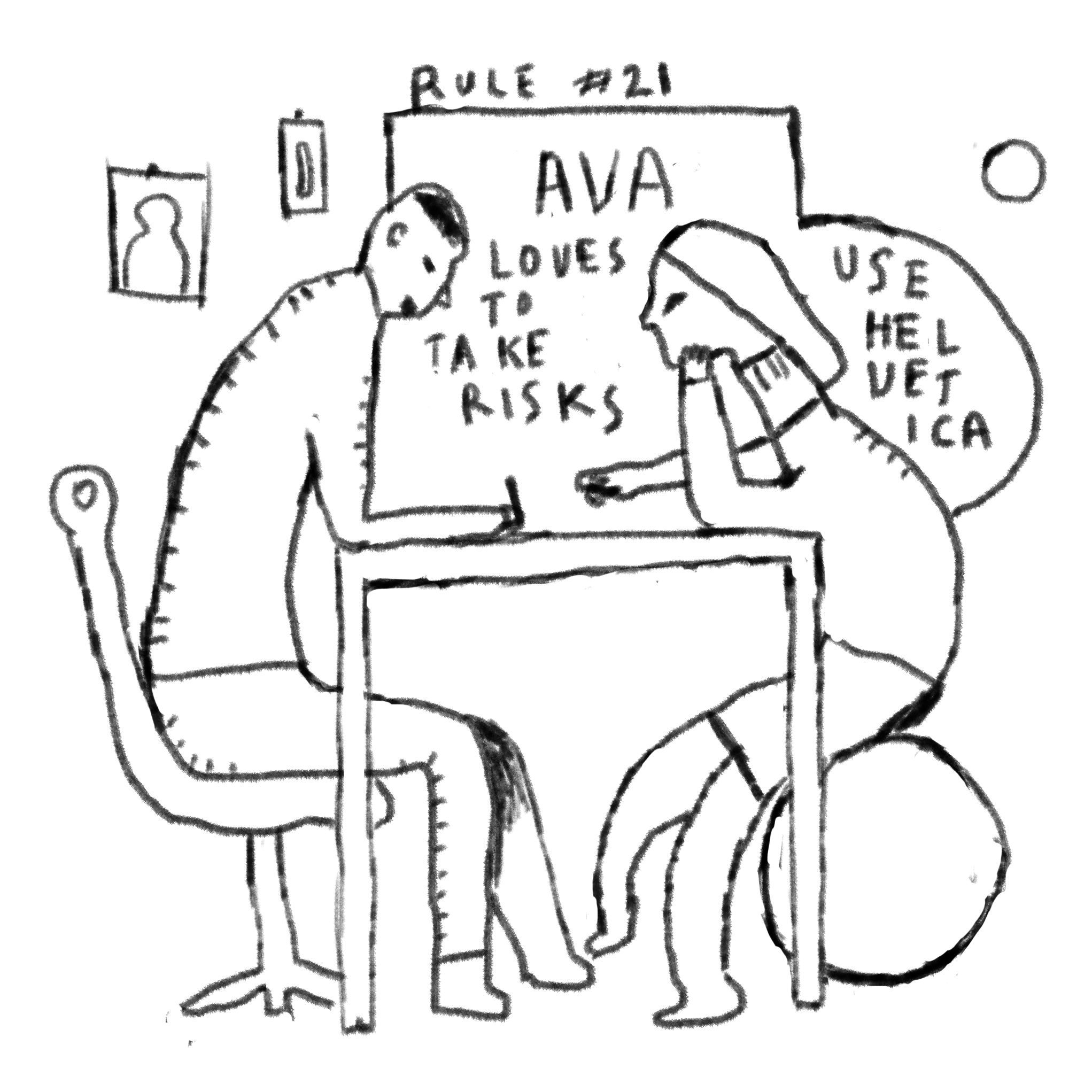
"The Curious Case of Ava Shopper"
In the buzzing office of BrandCore Agency, Ava Shopper had her own desk. She didn’t need coffee or vacation days, Ava was a persona, built from years of consumer data, painstakingly detailed: 32, loves eco-friendly yoga mats, shops online at 9 p.m., prefers sage green, and hates Comic Sans. Every Monday, a new brand campaign was run through “the Ava filter.” Designers second-guessed bold ideas. Would Ava like this? Writers softened their tone. What would Ava think? Even the CEO referred to her like a colleague: “Run it past Ava before launch.” But, big but... real customers didn’t behave like Ava. They don’t buy the eco-friendly yoga mat, they buy the one with the neon cat on it. They laugh at weird copy, ignore safe colors, and like brands that act less like avatars and more like… people. Please stop asking what Ava would do? Stay real.
Storytelling is mostly not the biggest problem for brands. How they tell their story is often a massive problem.

"In our fast changing world..."
Storytelling is everywhere in branding these days, every brand wants to tell one. But just like in real life, it’s not just what you say, it’s how you say it. Take two coffee brands: both tell the story of ethically sourced beans from small farmers. One puts that message in a dusty paragraph on the back of the package. The other shows the farmer’s hands, tells his name, shares his morning ritual in a short video with real warmth and rhythm. Same story. Totally different impact. In branding, a story isn’t powerful because it exists, it’s powerful when it’s felt.
Good branding doesn’t feel like marketing.

"Don't buy this"
“The best branding doesn’t feel like marketing” highlights a fundamental shift from overt persuasion to implicit engagement. Traditional marketing relies on explicit appeals, discounts, promotions, and direct calls to action. Whereas exemplary branding operates below the threshold of conscious selling, embedding itself into cultural narratives and consumer identities. By cultivating a coherent brand ethos, expressed through engaging storytelling, design language, and experiential touchpoints, companies forge emotional connections that resonate more deeply than any tagline or advertisement. This approach aligns with the concept of “brand as culture” (Holt, 2004), whereby a brand becomes a vehicle for shared values and communal belonging rather than a mere communicator of product features. When branding is seamless woven into a consumer’s lifestyle, social media feeds, and word-of-mouth dialogues, it transcends transactional dynamics, fostering loyalty through authenticity and relevance. Consequently, branding that feels natural and unforced not only avoids the cynicism often directed at marketing but also engenders lasting trust, positioning the brand as an integral, rather than intrusive, element of everyday experience.
To be irreplaceable, one must always be different.
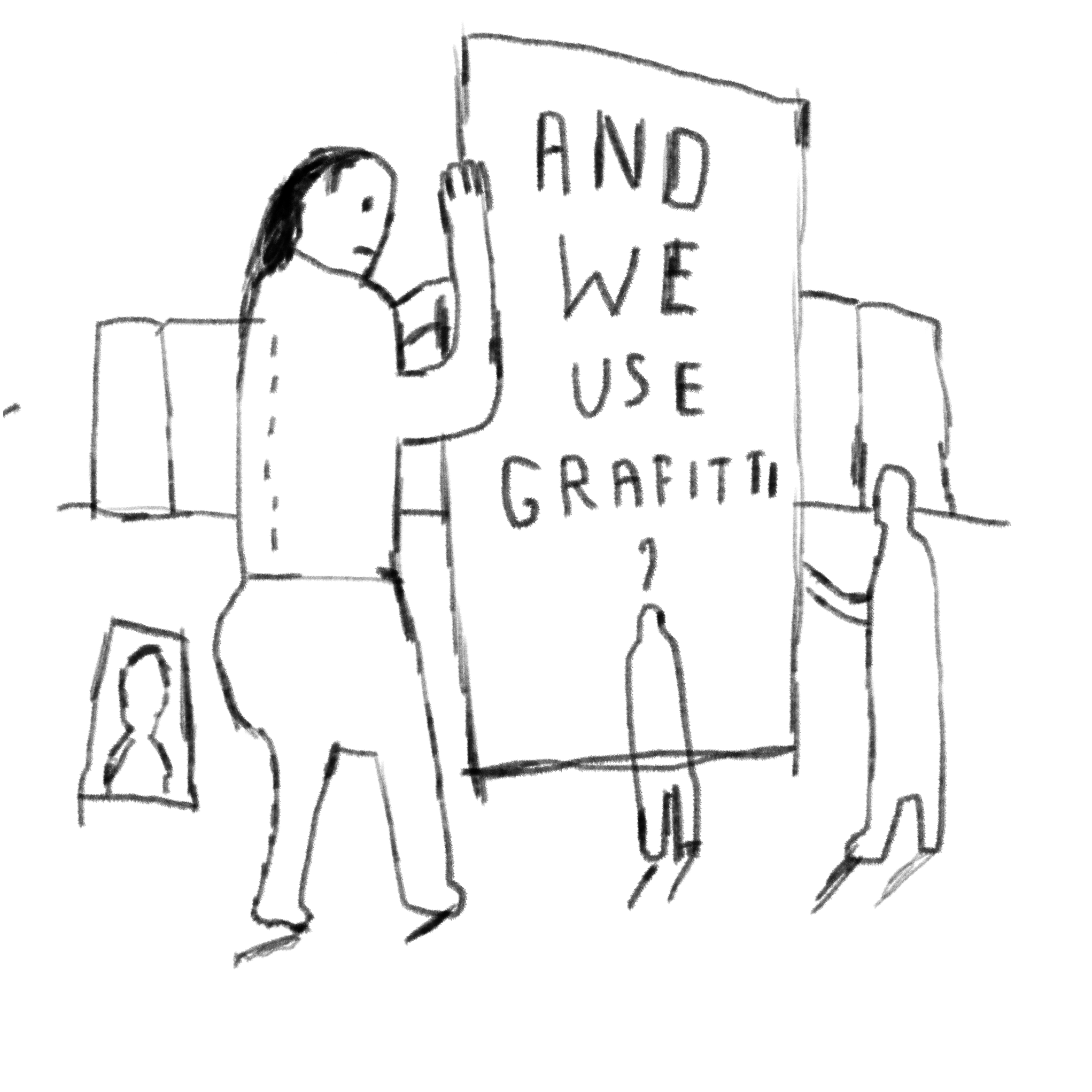
N° 5
The iconic assertion by Coco Chanel, “To be irreplaceable, one must always be different,” holds significant relevance within the context of branding. In an increasingly saturated market, differentiation has become a cornerstone of successful brand strategy. Brands that distinguish themselves through unique visual identities, authentic narratives, or innovative value propositions are more likely to occupy a distinctive position in the minds of consumers. This uniqueness not only fosters emotional connections but also enhances brand recall and loyalty. From a strategic perspective, differentiation reduces direct competition by shifting the basis of comparison, thereby allowing a brand to command greater pricing power and long-term relevance. Chanel’s statement underscores the necessity of cultivating a brand identity that resists imitation, an identity so aligned with its values and target audience that it becomes irreplaceable. Thus, in branding, being “different” is not merely an aesthetic choice but a strategic imperative for enduring market presence.
Branding isn't about authenticity—it's about controlling perception.

"Be yourself, follow us"
"Branding isn't about authenticity, it's about controlling perception" challenges the widely held notion that successful brands must be rooted in genuine identity. Instead, it posits that branding is a strategic exercise in shaping how an audience perceives a product, service, or organization, regardless of its intrinsic qualities. While authenticity remains a popular marketing ideal, this perspective emphasizes the performative nature of branding, where curated narratives and visual identities are meticulously crafted to influence public perception and consumer behavior. This approach invites critical reflection on the ethical and psychological implications of branding in a media-saturated marketplace.
A brand is what makes your product different from a commodity.
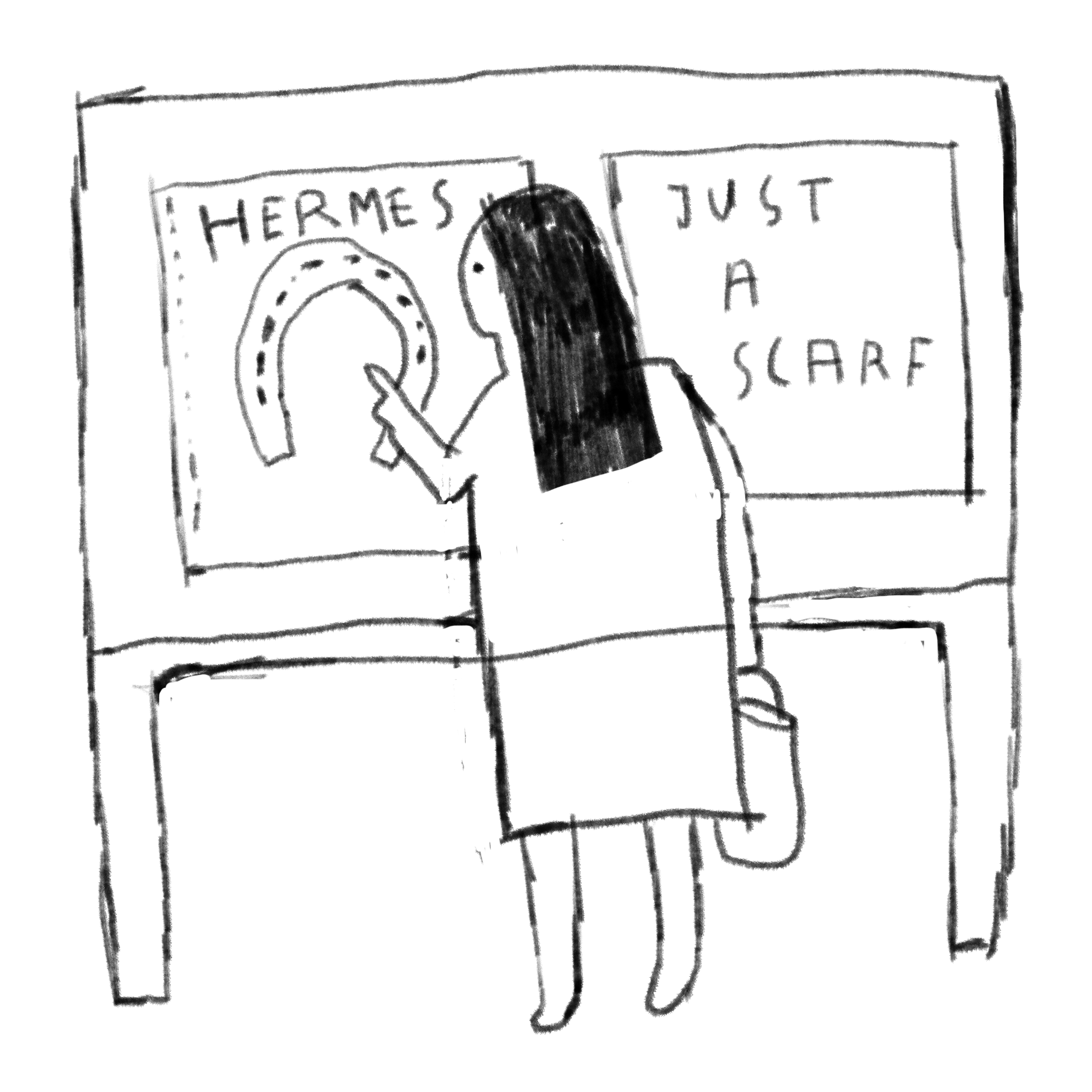
"Emotions are underrated"
The statement "A brand is what makes your product different from a commodity" encapsulates a foundational principle in contemporary branding theory. Commodities are typically undifferentiated goods competing primarily on price and availability; they lack distinctive features that engender customer loyalty. Branding, however, introduces layers of meaning, emotional resonance, and perceived value that transcend the functional attributes of a product. By cultivating a unique identity, through design, narrative, tone of voice, and consistent experience, a brand transforms a product from a replaceable item into a memorable and preferred choice. This process of differentiation is essential in saturated markets where multiple offerings fulfill similar functions. Branding serves as a strategic tool that elevates a product beyond commodification by fostering recognition, trust, and emotional engagement.
Taste is something you must discuss.

"Can you create more WOW?"
The commonly cited Dutch expression “over smaak valt niet te twisten” ("there’s no accounting for taste") suggests that taste is entirely subjective and therefore immune to critique. However, this relativist view overlooks the complex social, cultural, and educational factors that shape aesthetic judgment. Taste is not merely a matter of personal preference, it is also informed by exposure, context, and cultural capital. As theorized by Pierre Bourdieu (1984), taste is often a reflection of social positioning, where what is considered “good” or “refined” is tied to systems of power, education, and habitus. While individuals may express unique preferences, those preferences are rarely formed in a vacuum. Aesthetic literacy, developed through education, critical reflection, and cultural engagement, allows for more nuanced distinctions between superficial appeal and considered design. Thus, rather than being wholly subjective, taste can be discussed, developed, and even critiqued within shared frameworks of meaning, knowledge, and intent.
Simon Sinek's "Why-How-What" framework is massively overrated and flawed, but still used by many agencies.

"And we call it the Golden Circle"
Simon Sinek’s “Golden Circle” framework,consisting of why, how, and what, has become a widely adopted tool in branding and organizational storytelling. While its clarity and appeal have made it popular among brand agencies, a critical examination reveals its limitations, particularly in its application to the majority of commercial enterprises. The model places disproportionate emphasis on the “why,” suggesting that purpose-driven motivation is the core driver of business success and consumer loyalty. However, in practice, the “why” for many brands is not grounded in lofty ideals but in financial imperatives, growth, profitability, and market share. Attempts to reverse-engineer a noble “why” often result in inauthentic or superficial narratives that serve more to market the marketer than to reflect genuine organizational intent.
In contrast, the “how” offers a more substantive and revealing dimension of brand identity. It reflects the operational ethos and decision-making logic of a company: whether it prioritizes craftsmanship or scale, transparency or optics, sustainability or its simulation. The “how” reveals the tension between values and compromises, between doing good and looking good, which is far more telling of a brand's character than its declared mission.
FrancisTokyo works in and on all parts of branding. We work on the strategy, positioning and brand identity. Contact us for any brand related questions.